
PLEASE Project
About PLEASE Project
The East Africa’s maritime industry is embracing technological and energy transitions to create green, smarter, efficient and economically competitive ports. However, limited expertise among local engineers presents a potential safety risk. This project will contribute to enabling safer transitions by building local skills capacity and enhancing safety leadership. By targeting engineering students, industry professionals, and early-career graduates through tailored short courses, apprenticeships, extensive dissemination and advocacy efforts, the project aims to create a lasting impact on safety across the maritime sector. The emphasis on collaboration and sustainability, particularly through Training-of-Trainers programs enhances its potential for broader reach and long-term success.
The goal of this project is to advance engineering competencies in the maritime and energy sectors across East Africa, in the wake of technological advancement and climate change, to ensure the safety of people, infrastructure and the environment
This project is implemented through four (4) work packages.
Work Package 1
The work package focuses on capacity building for engineering students to provide them with relevant knowledge and skills on emerging technologies to become future safety leaders and drive broader adoption of safe engineering practices in the maritime and related industries. Six training modules will be developed covering the three identified thematic areas. Additionally, a safety innovation challenge will be organized to promote safety research and innovation while building soft skills like problem solving and creativity among engineering students. A Training of Trainers (ToT) program will be implemented for the teaching staff to enable them independently address emerging topics within the rapidly evolving maritime industry and develop new training methodologies.
Work Package 2
This work package supports safety up-skilling of engineering professionals already working in energy, maritime and associated sectors. Three professional short courses will be developed and delivered. One of the courses will be dedicated to strengthening skills for future female leaders in engineering. The other two courses will focus on safety risk monitoring and management, sustainable energy systems safety, and digital safety and security in maritime automation. A ToT program will be organized for industry trainers/mentors to foster a broader reach, program sustainability and long-term impact.
Work Package 3
This work package centers on a bespoke apprenticeship program for early-career graduates in marine engineering to boost their safety skills. The project will recruit apprentices at KPA for on-job safety skills training in readiness for professional practice and safety leadership. The apprentices will be trained on offshore energy systems, environmental sustainability and remote-monitoring systems. The apprentices will be supervised and mentored by a professional engineer. On completion of training, the apprentices will be assessed by NITA for certification.
Work Package 4
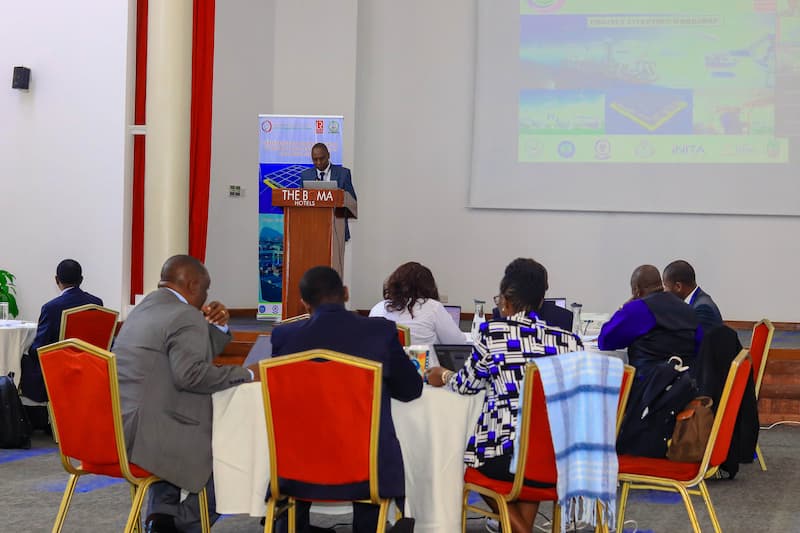
WP4 focuses on dissemination, engagement and communication. Workshops, seminars and round-tables shall be organized to communicate and disseminate the project results to diverse stakeholders. Also, engagement sessions will be organized with relevant stakeholders for outcome-oriented discussions, horizon scanning and road-mapping. The insights from the engagements shall guide the design and delivery of the proposed training programs.
Achieving Impactful Results Through Great Partnership