Across East Africa, the pace of technological innovation is outpacing the development of the engineering workforce needed to deploy these technologies safely. Addressing this skills gap is critical to ensuring that digital and green transitions deliver lasting economic, environmental and societal benefits.
With the funding from Lloyd’s Register Foundation, Moi University is working with industry, professional bodies, partner universities and government agencies to strengthen engineering capacity for the safe adoption of digital and green technologies.
The project began by undertaking a comprehensive Skills Needs Assessment involving stakeholders from the maritime and energy sectors across East Africa. The assessment identified significant competency gaps in emerging digital and green technologies, particularly in areas where safety considerations are becoming increasingly important.
Using this evidence, the project developed a suite of short courses designed for engineering students and practising engineers. The courses focus on equipping learners with practical knowledge and skills required to support safe digitalisation and sustainable engineering practices in the maritime and energy sectors.
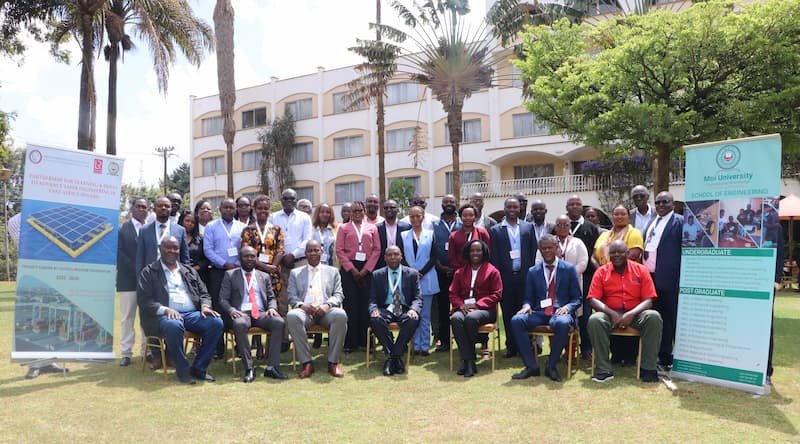
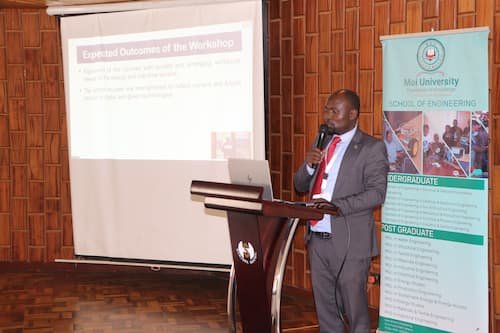
To ensure that the courses reflect real industry needs, the project convened a Stakeholders Review and Validation Workshop on 25–26 June 2026, bringing together representatives from academia, industry, government and professional institutions to review and validate the training programmes. The workshop provided an important platform for dialogue between academia, industry, regulators and professional organisations. Participants examined the relevance of each course, identified emerging industry priorities and recommended improvements to strengthen practical application, safety integration and future employability.
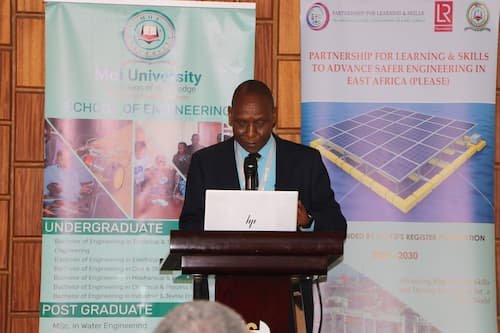
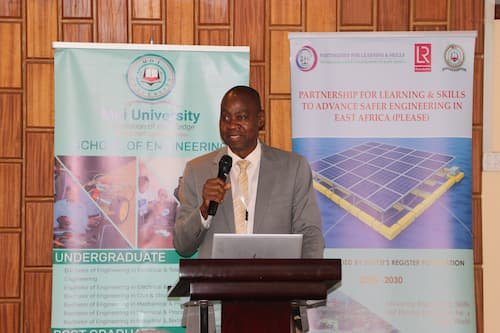
Opening the workshop, Professor Kiplagat Kotut, Vice-Chancellor of Moi University, observed that technological advancement is progressing much faster than workforce capability development across East Africa. He challenged universities and industry to work together to ensure that engineering education and professional development evolve at the same pace with advancement in technology.
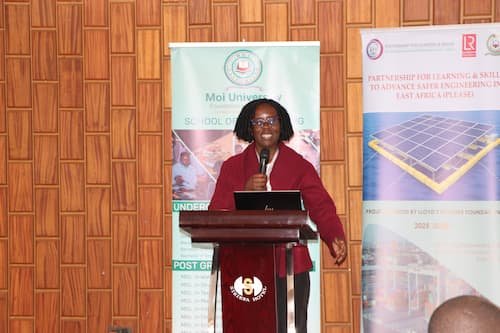
In her keynote address, Eng. Grace Onyango, Acting Registrar of the Engineers Board of Kenya (EBK), emphasised that the future of engineering depends not only on producing technically competent engineers, but also on developing professionals who understand and prioritise safety throughout their careers.
Organizations represented included:
- Kenya Ports Authority (KPA)
- Engineers Board of Kenya (EBK)
- Bandari Maritime Academy
- Rural Electrification and Renewable Energy Corporation (REREC)
- National Industrial Training Authority (NITA)
- Kenya Power and Lighting Company (KPLC)
- Kenya Electricity Transmission Company (KETRACO)
- Kenya Electricity Generating Company (KenGen)
- Institution of Engineers of Kenya (North Rift Branch)
- Technical University of Kenya
- University of Eldoret
- Moi University
- Nelson Mandela African Institution of Science and Technology (NM-AIST)
- Jaramogi Oginga Odinga University of Science and Technology (JOOUST)
- Kibabii University
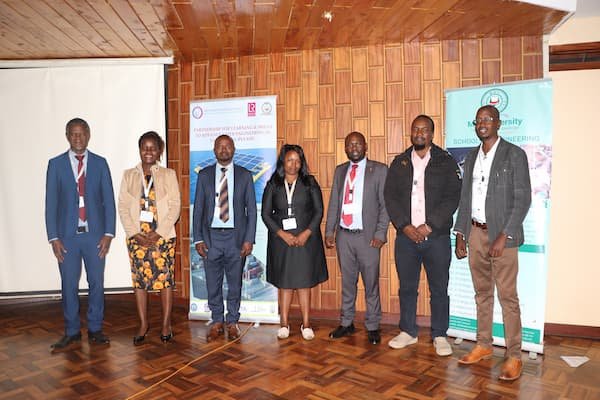
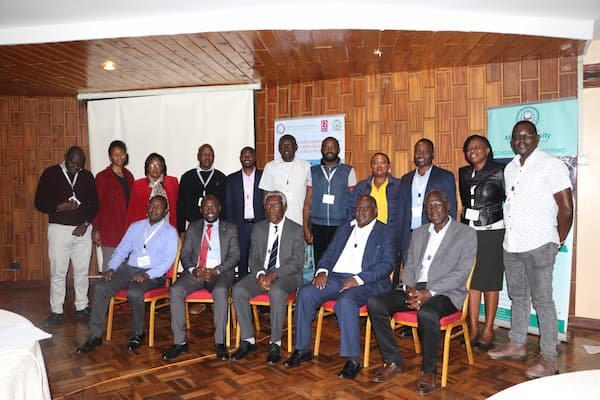
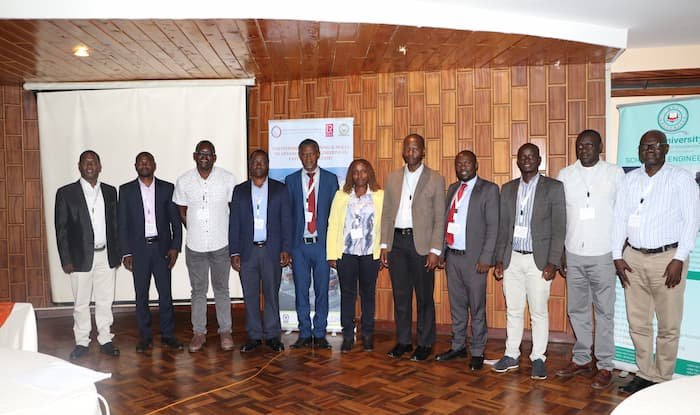
Looking ahead, the validated courses will contribute to building a new generation of engineers equipped to safely implement digital and green technologies across East Africa.
By investing in skills development today, the PLEASE Project is helping to ensure that East Africa’s transition towards smarter, cleaner and more sustainable engineering systems is underpinned by a workforce capable of delivering them safely.