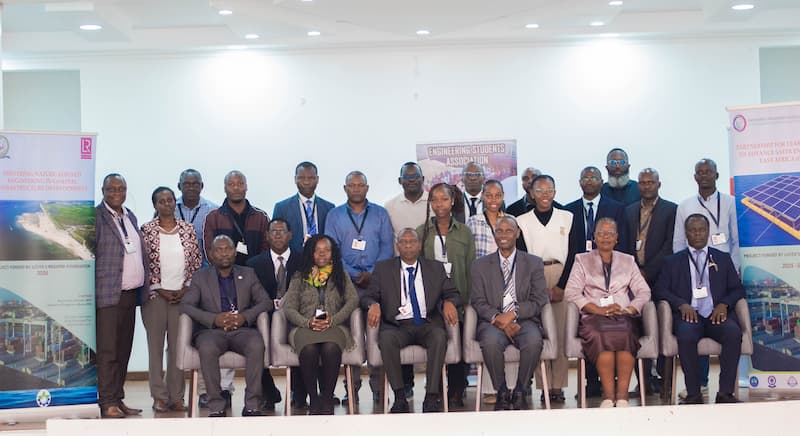
On Thursday, 19th March 2026, the Partnership for Learning and Skills to Advance Safer Engineering in East Africa (PLEASE) project convened a pivotal stakeholders’ workshop at the Kenya Institute of Curriculum Development (KICD). Co-hosted with Moi University, the event focused on validating the findings of our recent Skills Needs Assessment to inform the development of bespoke training programs for the region’s engineering workforce.
As a regional network, the PLEASE project is dedicated to driving capacity-building programs that foster safer engineering practices. This initiative is proudly funded by the Lloyd’s Register Foundation (LRF) under the Engineering a Safer World (EaSW) program.
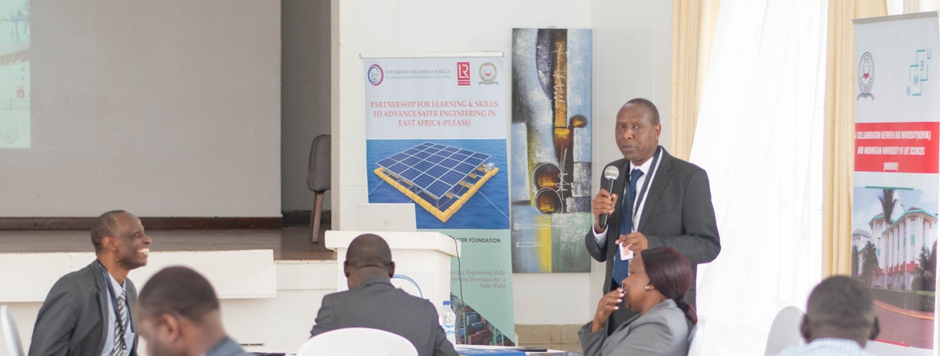
The workshop was officially opened by Prof. Kiplagat Kotut (Ag. Vice chancellor, Moi University), who emphasized the critical role played by industry stakeholders in aligning training programs to real world needs. He pointed out the need to invest in engineers, technicians and innovators who possess not only technical expertise, but also the ethical responsibility to design and manage systems that are safe, resilient and sustainable.
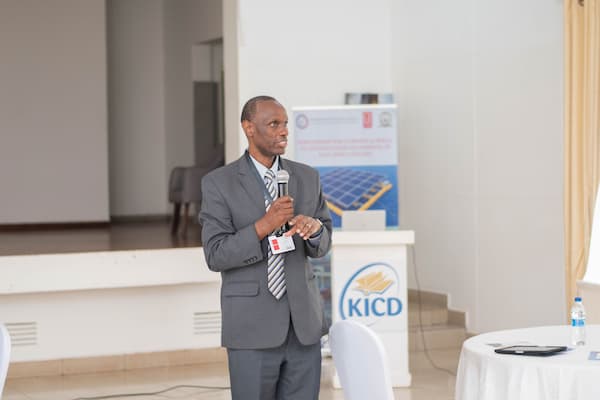
Prof. Meoli Kashorda, the CEO, Kenya Education Network (KENET) delivered a keynote talk that emphasized the growing role of digital infrastructure and emerging technologies. He pointed out the need for research and change leadership competencies in order to align with the emerging technologies.
The workshop brought together a diverse group of representatives from academia, industry, regulatory bodies, and development organizations. Together, participants reviewed key findings, shared vital sector insights, and collectively identified the priority skills necessary to support safe, sustainable, and digitally enabled transitions across the engineering sector.
The collaborative session was driven by four primary goals:
- Validating the findings from the PLEASE project’s Skills Needs Assessment.
- Identifying critical digital and green skills required within the energy and maritime sectors.
- Strengthening functional collaboration between academia and industry.
- Exploring strategic partnerships to support safer engineering practices and continuous workforce development.
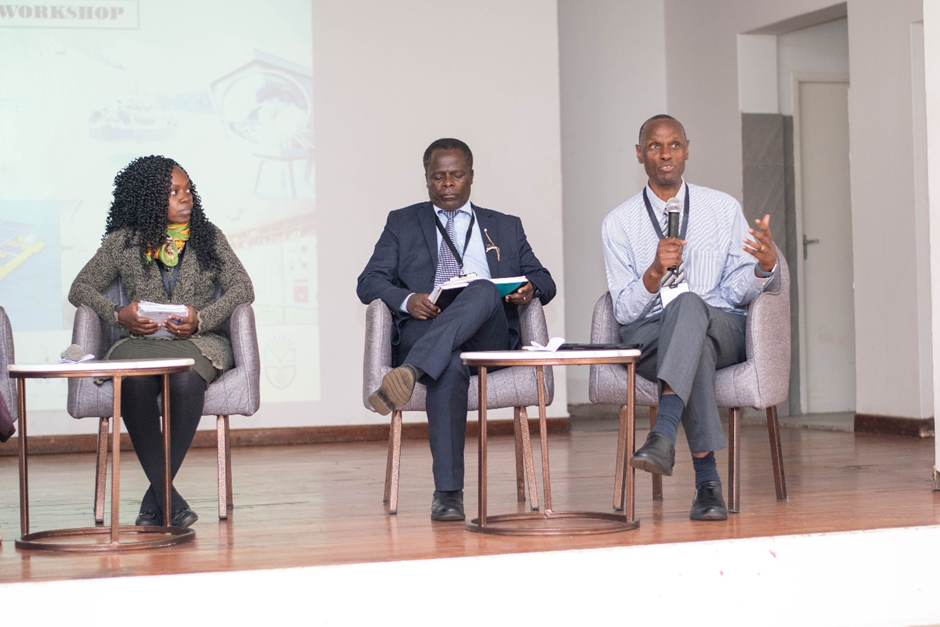
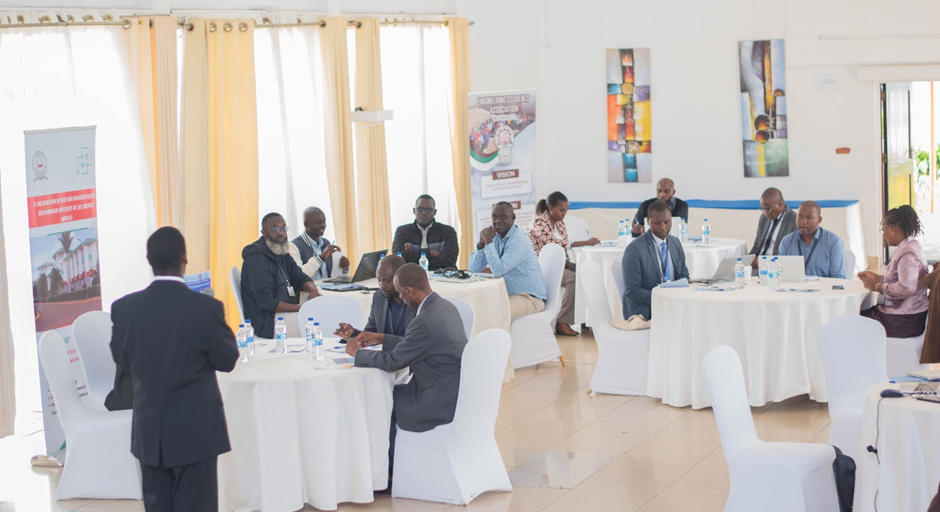
Participants:
The participating institutions included Ocean Centres-Kenya, Kenya Ports Authority (KPA), National Industrial Training Authority (NITA), Bandari Maritime Academy (BMA), Engineers Board of Kenya (EBK), KPLC, KICD, Technical University of Kenya, Murang’a University of Technology, Multimedia University of Kenya, and University of Eldoret. The Lloyd’s Register Foundation was represented virtually by Candace Bentil. In her remarks, she highlighted the various initiatives that the Foundation is supporting globally in line with its mission to engineer a safer world.
The workshop provided invaluable insights into the key gaps and emerging competencies required for engineers and technical professionals in the energy and maritime sectors for safer engineering practice.
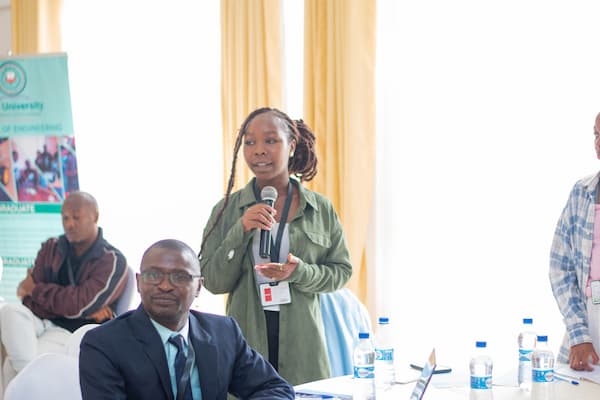
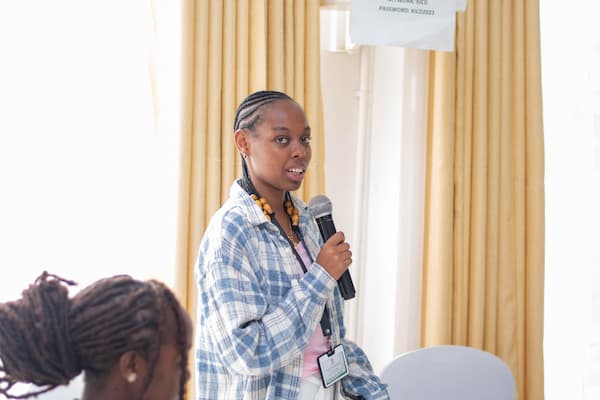
Key Takeaways
- Skilling of engineers is essential for enabling safe, sustainable, and inclusive growth in the energy and maritime sectors, and for engineering a safer future for all.
- Digital transformation is rapidly reshaping the energy and maritime sectors, requiring new technical competencies
- There is a growing demand for green skills aligned with sustainability and climate resilience
- Skills gaps exist in areas such as digital systems, automation, and energy transition technologies
- Collaboration between universities and industry is essential to ensure curriculum relevance
- Safety must remain central in the transition to digital and green systems